How Superyachts Are Built
From first sketch to sea trials. How a custom superyacht goes from design to delivery: naval architecture, steel and aluminium hulls, outfitting, sea trials and what makes it costly.
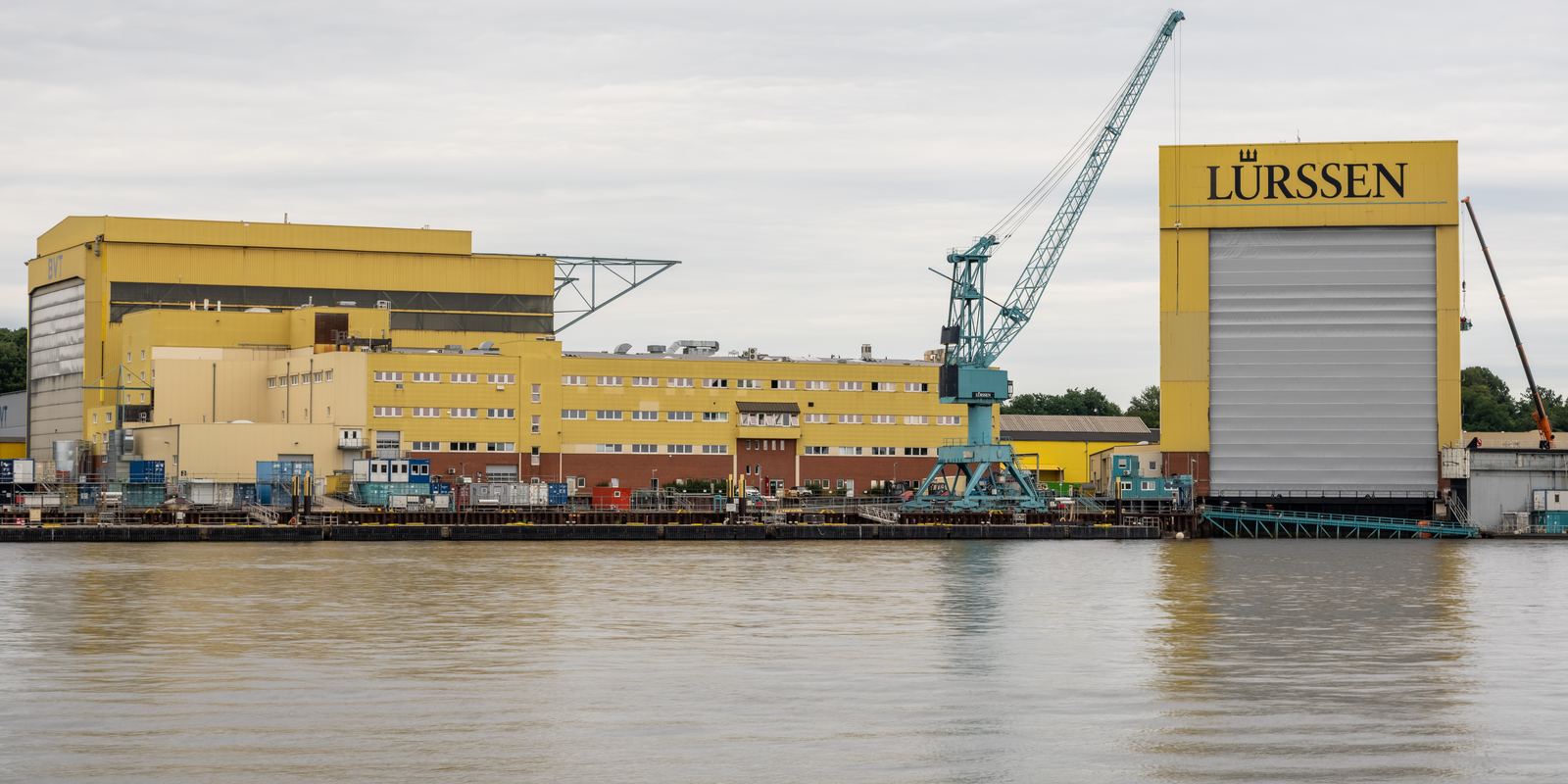
Lürssen shipyard, Bremen-Vegesack: JoachimKohler-HB, CC BY-SA 4.0
What counts as a superyacht
There is no single official definition. The term usually means a professionally crewed private motor or sailing yacht, often 40 metres or longer, although some counts start at 24 metres. The United Kingdom's large yacht code, for example, applies to yachts of 24 metres or more carrying up to 12 guests with a paid crew.
As of 2016 there were roughly 10,000 superyachts over 24 metres worldwide, and industry counts found more than a thousand new yachts built or on order each year in 2022 and 2023.
Design and engineering
A custom yacht begins with the owner's wish list and a design brief. Naval architects calculate the hull shape, stability and weight, while an exterior designer shapes the profile and an interior designer plans the rooms. Engineers work out engines, generators, water and air systems, and how to keep noise and vibration low.
Large yachts also have to meet safety rules set by classification societies and the authorities where they are registered. Much of this paperwork and analysis is finished before construction starts.
Steel, aluminium and outfitting
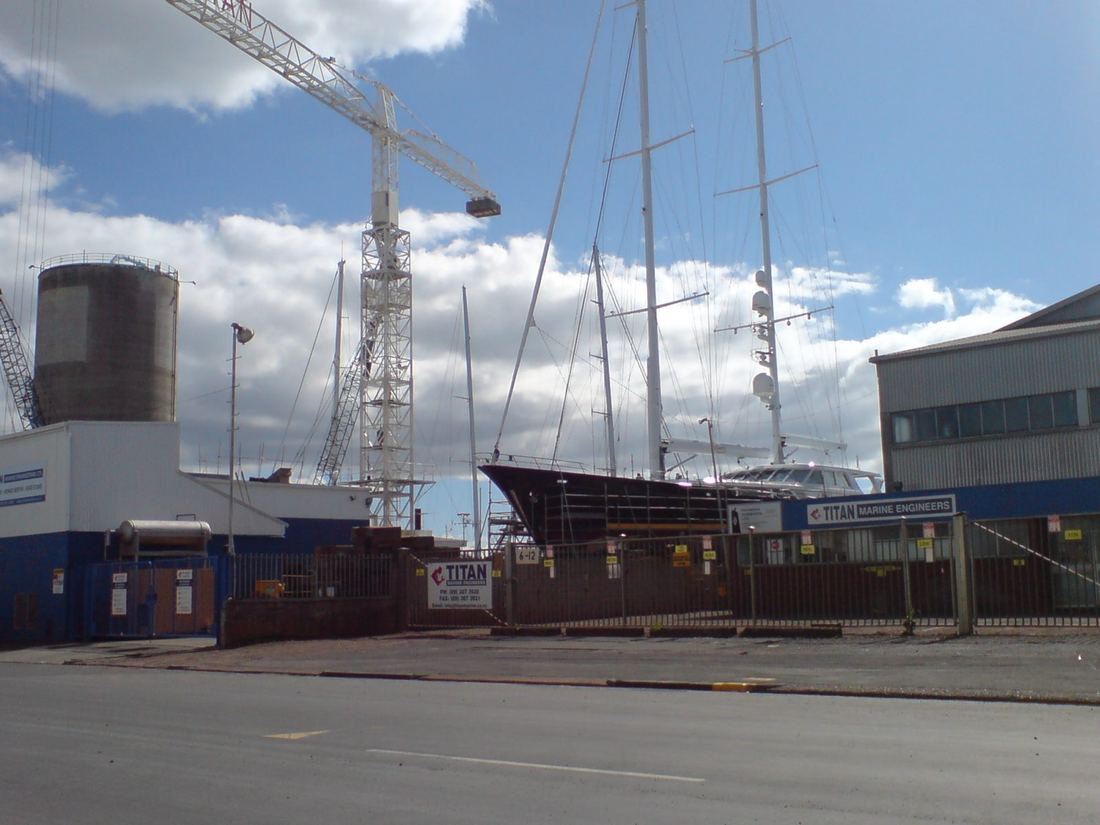
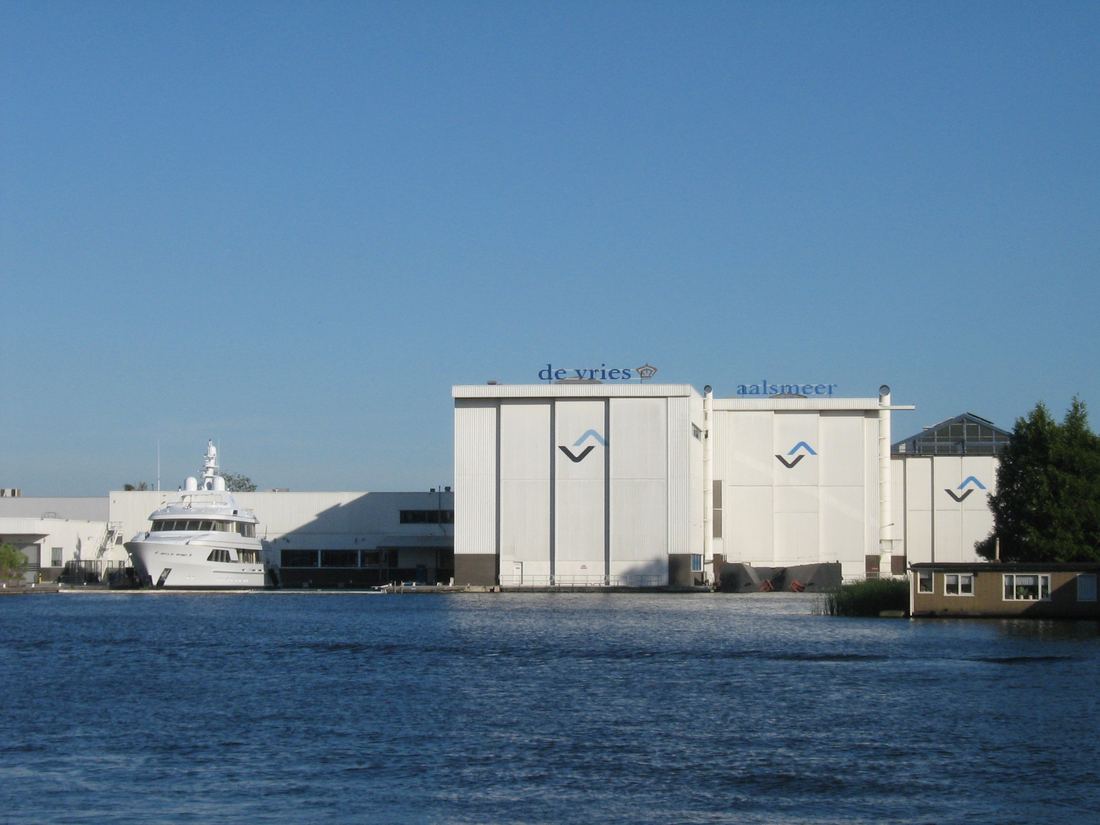
Most large yachts have a steel hull for strength and an aluminium superstructure to save weight up high. Smaller yachts may use fibreglass or composites. The hull is welded together in blocks inside big covered halls, then the blocks are joined, much like building a ship.
Outfitting usually takes the longest. Thousands of metres of cable and pipe go in, followed by engines, insulation, joinery, stone, glass and furniture. Paint alone can take months, because the smooth, mirror-like finish is filled and sanded by hand.
Weight and noise are watched closely throughout. Every item added on board, from a marble floor to a piano, changes the yacht's stability and must be accounted for by the naval architects. Engines and generators sit on special mounts, and cabins are insulated so guests feel as little vibration as possible.
Sea trials and delivery
Before handover the yacht goes on sea trials to test speed, fuel use, stability, noise and every system on board. Problems are fixed, the crew is trained and the yacht is finally delivered.
The biggest names include Lürssen of Germany, founded in Bremen in 1875 and described as the largest yacht builder in the world, and Dutch builders such as Feadship and Oceanco. After delivery, yachts return to yards for regular maintenance and refits.
- Lürssen shipyard, Bremen-Vegesack: JoachimKohler-HB, CC BY-SA 4.0
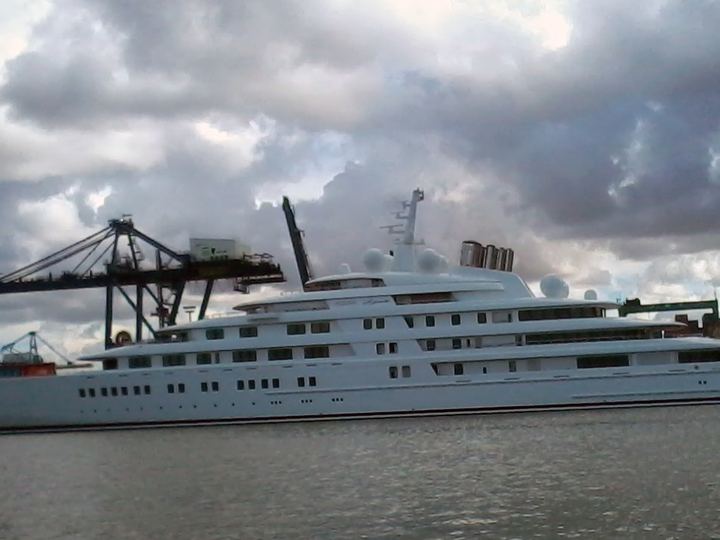
- A superyacht in a refit yard: Uploader., Public domain
- A Dutch yacht yard at Aalsmeer: DennisM, CC0
Text written by Greatest Prestige.